how to create an interior design portfolio

This is the first in a series about building an Interior Design Portfolio for a new interior designer
So you’ve just graduated and you are looking for a job as a budding interior designer. You may also be looking to move along in your career and want to find a new interior design job. You know that you have to put together a portfolio, but what do you put in it?
In this article, we are going to discuss the top things you should know about building your interior design portfolio.
Building your personal brand
A personal brand is the foundation of your interior design portfolio. It defines who you are personally and as a designer. It is tempting just to talk about visuals here, but your branding includes not only your visual identity, but your brand voice, your strengths and your processes.
2. Collect Inspiration
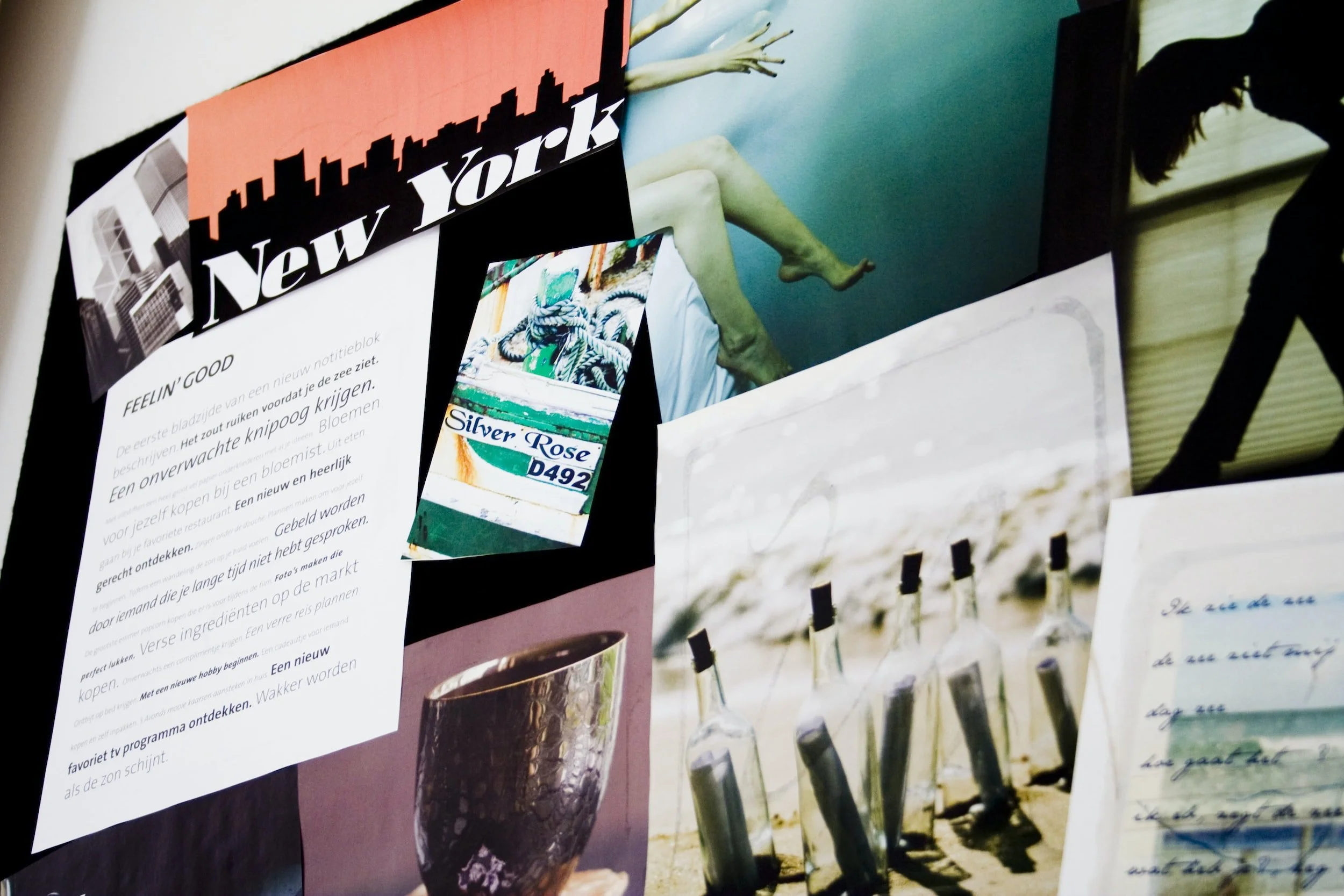
As designers, we should always be looking around for inspiration. It sparks our creativity and our ingenuity. By allowing ourselves to be surrounded by imagery from all sources, be it film and music, advertisements, magazines and blogs , we feel energised.
Make sure that you have a system for storing all your inspirational content so that when you are creating your own content- a blog or instagram post for example, you can quickly and easily refer back to the original sources. Pinterest is great for quickly pulling together content, but make sure that you actually do something with inspiration that really resonates.
I keep mine in Notion within my personal system. I like looking through this inspiration system so that I can easily access it so I can create vibe boards, and give myself creative prompts, or write a blog post just like this one. You can check out my Notion Interior Design Dashboard build along here.
3. Create Content
Once I have my inspiration- I use it to create content. Sometimes it’s just for me. Sometimes, I write a blog post about it. It’s always important to understand how you can apply this inspiration to your unique situation. Once you have some practice in interpretation, you are well on your way to creating your unique design persona.

4. Practice, Practice, Practice
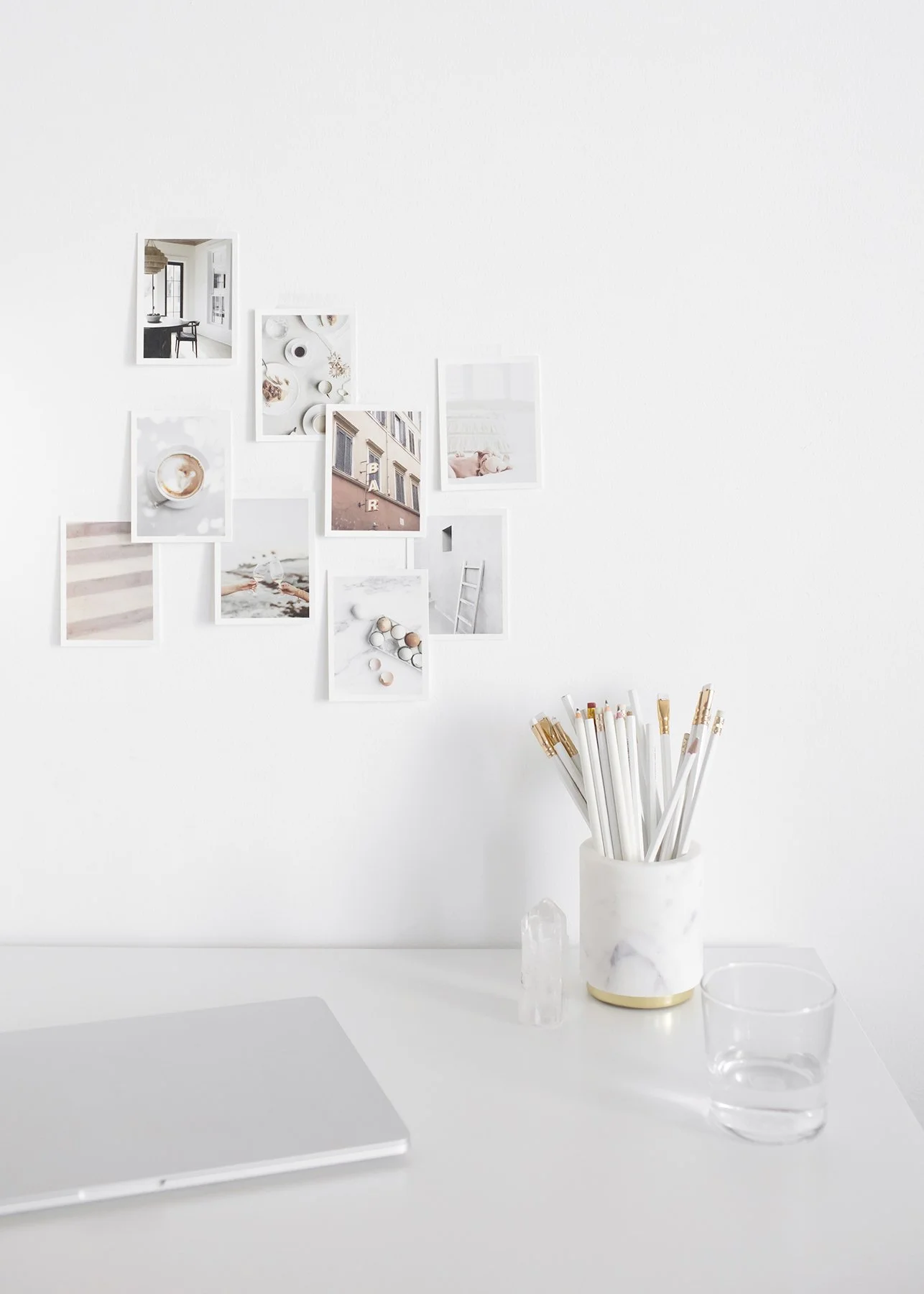
One way that you can show off your design chops is by styling your own spaces. Use your home as a backdrop to create little style tableaus (using your inspiration collection as a prompt) then photograph them, even using your iPhone. There are a number of apps that you can use to edit your photos- I like using Photoshop on my iPhone. You can buy or create your own presets so that your photos have a consistent look and feel. The more content you create, the more choice you have when deciding what to include in your final portfolio.
5. Create in public
Don’t go hiding that light under a bushel as they say. Whether it be on instagram (on an account dedicated to your interior design brand) or on your own website. Make sure that you create in public with content that is aimed squarely at interior design.

6. Make video part of your content strategy
Video is where it’s at people. I used to hate appearing on video, but I did it and am (almost) starting to enjoy it. Video can add a complexity to your content creation, but it is an important skill to practice and get better at. So start small.

7. Curate your content
Keep it relevant. If you start including random bits that are off your personal brand, your portfolio will look inconsistent and messy. Make sure that your portfolio is populated with images and content that fits in with your personal brand. Your portfolio is going to be presented to prospective clients or employers so make sure that the images and work that you use is carefully selected.
8. Find a mentor
It’s important to see yourself as part of an interior design community. Having access to an interior design mentor can be a valuable part of your development as a designer. They can bring real world experience to the table and ensure that you always have someone to come to if you have questions, need directions or just someone in your corner. They will help you build connections, learn how to network and open your eyes to new possibilities.

Once you have these steps in place, you are ready to start putting together your interior design portfolio. This portfolio will reflect your story and your unique persona. Need help? Check out my mentoring program.